

What treatments are recommended when post nasal drip cough is caused by acid reflux?
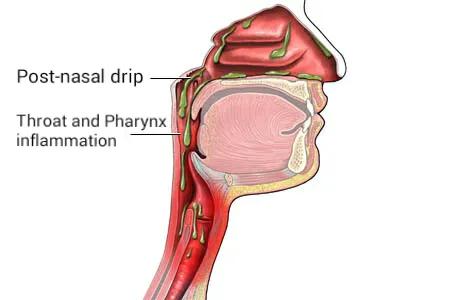
A lingering cough that doesn’t seem to respond to syrups or allergy medicines can be frustrating especially when it’s caused by acid reflux rather than an infection. Many people in Punjab experience a post nasal drip cough without realizing that stomach acid may be irritating the throat and nasal passages. When reflux travels upward, it can inflame sensitive tissues, leading to mucus buildup and a persistent urge to clear the throat.
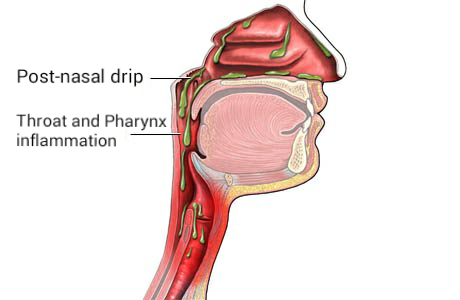
Understanding the link between acid reflux and post nasal drip cough
When acid reflux affects the upper airway, it is often referred to as laryngopharyngeal reflux (LPR). Unlike typical heartburn, LPR may not cause chest pain. Instead, it leads to throat irritation, excess mucus, hoarseness and a dry or wet cough. Over time, this irritation triggers nasal drip and cough treatments rather than simple cough suppressants.
Medical treatments that address the root cause
1. Acid suppression medications
One of the most effective treatments for post nasal drip cough related to reflux involves reducing stomach acid. Doctors may prescribe medications that lower acid production, allowing inflamed throat tissues to heal. This approach is often the foundation of drip cough treatment when reflux is confirmed.
2. Mucus regulation and nasal care
Excess mucus worsens coughing. Gentle saline nasal sprays or rinses help clear thick secretions and soothe irritated nasal linings. These methods support the overall treatment of post nasal drip and cough without harsh chemicals.
3. Targeted ENT evaluation
Sometimes, reflux-related cough is aggravated by structural issues such as a deviated nasal septum. In such cases, deviated nasal septum treatment may be considered as part of a long-term solution. An experienced ear nose and throat doctor evaluates both reflux damage and nasal anatomy to create a balanced treatment plan.
Lifestyle-based treatments that make a big difference
4. Dietary adjustments
Certain foods increase acid reflux and worsen cough symptoms. Reducing spicy foods, fried items, tea, coffee and late-night meals often improves outcomes. For many patients, these changes significantly enhance the effectiveness of treatment for post nasal drip coughing.
5. Posture and sleep modifications
Elevating the head during sleep and avoiding lying down immediately after meals prevents acid from reaching the throat. This simple habit supports healing and reduces nighttime coughing.
6. Weight and stress management
Excess abdominal pressure and stress can trigger reflux episodes. Gradual weight control and stress reduction techniques help stabilize symptoms and support ongoing nasal drip and cough treatments.
When symptoms don’t improve
If a cough persists despite initial care, further evaluation may be needed. Chronic reflux-related cough can coexist with sinus inflammation or nasal blockage. In such cases, a customized plan combining reflux control, nasal therapy and, when required, deviated nasal septum treatment delivers better long-term relief.
Why ENT-guided treatment matters
Self-medication often treats only the cough, not the cause. An ENT-led approach focuses on identifying whether acid reflux, nasal structure, or sinus inflammation is responsible. This ensures that treatments for post nasal drip cough are precise, effective and sustainable especially for patients in Punjab dealing with long-standing symptoms.
Frequently Asked Questions (FAQs)
1. Can acid reflux really cause a constant cough?
Yes. Reflux can irritate the throat and trigger a chronic cough even without heartburn.
2. How long does reflux-related post nasal drip take to improve?
With proper treatment and lifestyle changes, many people notice improvement within a few weeks.
3. Are nasal sprays enough to treat this condition?
Nasal sprays help mucus control but work best when combined with reflux management.
4. When should I see an ear nose and throat doctor?
If the cough lasts more than 3–4 weeks or keeps returning, an ENT evaluation is recommended.
5. Is surgery always required for deviated nasal septum treatment?
No. Surgery is only considered when structural blockage significantly worsens symptoms.