

What is Coblator-Assisted Adenoidectomy? Understanding the Modern Technique for Adenoid Removal
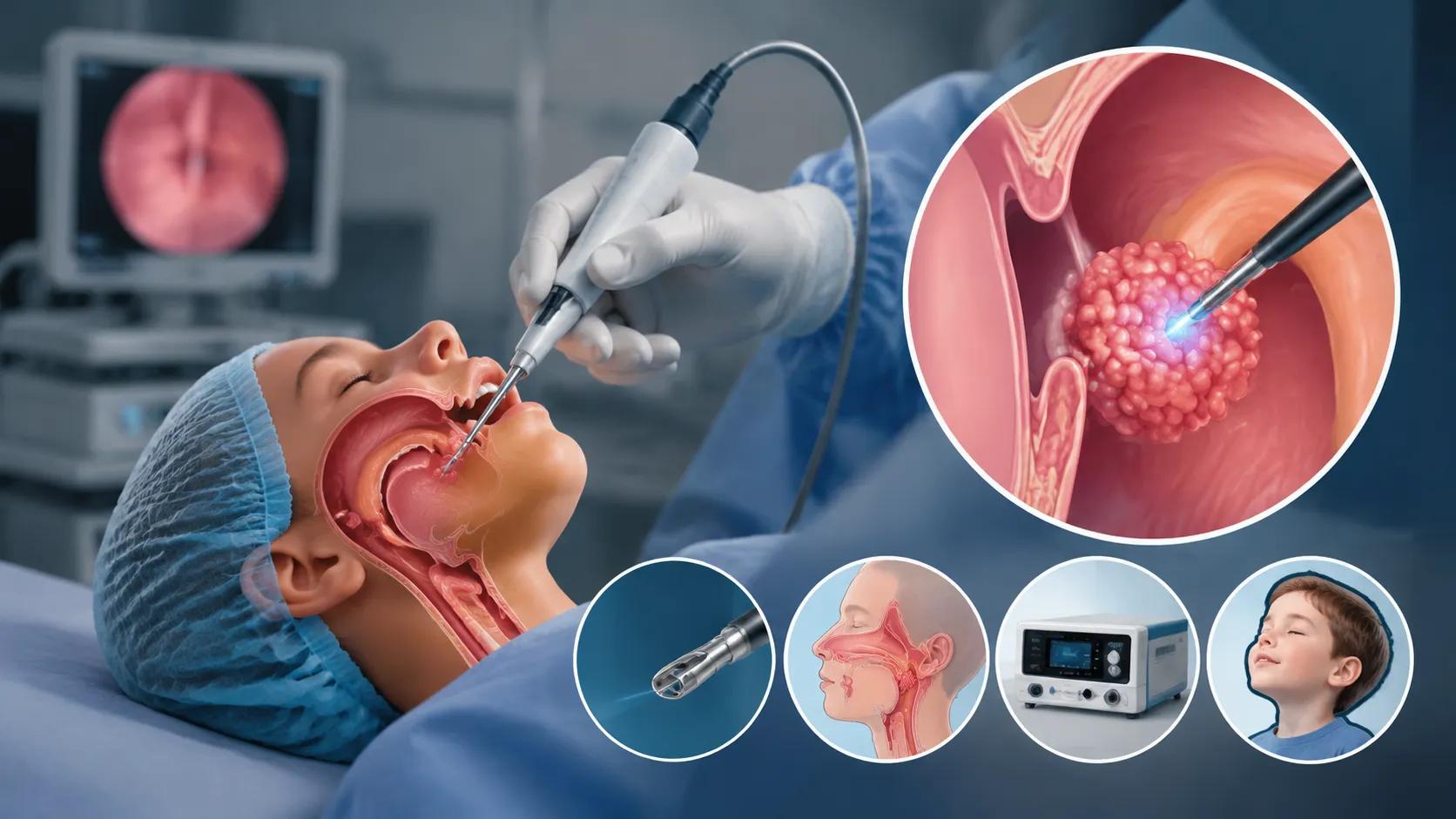
Coblator-assisted adenoidectomy in an operating room with detailed anatomical views
Adenoidectomy is a surgical procedure that involves the removal of the adenoids, small lymphatic tissue located at the back of the nasal cavity. The adenoids are responsible for fighting infections, but when they become enlarged or infected, they can lead to breathing problems, frequent ear infections, sleep apnea, and other complications. Traditionally, adenoidectomy was performed using scalpel-based techniques, but with advances in medical technology, the coblator assisted adenoidectomy technique has emerged as a safer and more effective alternative.
What is Coblator-Assisted Adenoidectomy?
Coblator-assisted adenoidectomy is a modern surgical technique that uses a special device called the "coblator" to remove the adenoids. The term "coblation" comes from the combination of "controlled ablation," where heat is used to remove tissue with precision. Unlike traditional methods, coblation employs low-temperature radiofrequency energy to vaporize and remove the adenoid tissue with minimal bleeding and faster recovery times.
This technique is highly regarded because of its precision, making it less invasive than older methods. The coblator uses a combination of electrical energy and saline, allowing it to remove the adenoid tissue at a molecular level, without the need for excessive heat that could damage surrounding tissues. Additionally, the procedure is usually performed with the help of an endoscope, which provides a clear view of the area, ensuring that the adenoids are fully removed while preserving nearby structures.
Benefits of Coblator-Assisted Adenoidectomy
Minimal Bleeding One of the primary advantages of coblator-assisted adenoidectomy is the reduction in bleeding during the procedure. The coblation device works at a lower temperature than traditional methods, which minimizes thermal damage to surrounding tissues and reduces the likelihood of post-surgical bleeding. This is particularly important for pediatric patients, who may be more susceptible to bleeding complications.
Faster Recovery Since the coblation technique is less invasive, patients generally experience quicker recovery times. Traditional adenoidectomy often involves more extensive tissue damage, which can result in longer healing times and more discomfort. With coblation, the precise removal of adenoid tissue leads to less trauma, reducing pain and the risk of infection post-surgery.
Reduced Post-Operative Pain Patients undergoing coblator-assisted adenoidectomy typically report less pain following the surgery. Traditional methods, especially those involving cutting and cauterizing, often result in significant post-operative discomfort. Coblation, on the other hand, minimizes tissue damage, leading to less inflammation and a smoother recovery process.
Endoscopic Visualization Another key benefit of the coblator-assisted adenoidectomy is the ability to use endoscopic technology during the procedure. Endoscopic instruments provide high-definition visualization of the adenoid tissue, allowing the surgeon to perform a more accurate and efficient removal. This is particularly important in children, as the adenoids can sometimes be difficult to access with traditional surgical tools.
Less Risk of Complications Coblation reduces the risk of complications that are commonly associated with traditional adenoidectomy techniques. With reduced bleeding, less trauma to surrounding tissues, and quicker healing times, the overall risk of infection and complications is lower. This makes coblator-assisted adenoidectomy a safer choice for both children and adults in need of adenoid removal.
Laser Adenoidectomy vs. Coblator-Assisted Adenoidectomy
While laser adenoidectomy is another modern technique for removing the adenoids, coblation offers several advantages. Laser treatments use intense heat to vaporize tissue, but they can sometimes cause excessive tissue damage or burning. Coblator-assisted adenoidectomy, on the other hand, uses controlled radiofrequency energy, which is much gentler and allows for better precision and control.
Coblation also has the benefit of reducing the need for general anesthesia, as the procedure can often be performed under local anesthesia, which is ideal for children who may be anxious about undergoing surgery.
Endoscopic Adenoidectomy with Coblation Technique
Endoscopic adenoidectomy is an advanced method that involves the use of an endoscope, a flexible tube with a light and camera at the end, to visualize the surgical area. When combined with coblation, the endoscopic technique enhances the precision of the procedure, ensuring that the adenoids are removed thoroughly and efficiently. The endoscope allows the surgeon to see the adenoids clearly, minimizing the risk of leaving behind any tissue, which can lead to recurrence of symptoms.
Who Can Benefit from Coblator-Assisted Adenoidectomy?
Coblator-assisted adenoidectomy is a highly effective treatment for individuals suffering from enlarged or infected adenoids. The procedure is commonly recommended for:
Children with Sleep Apnea or Breathing Problems: Enlarged adenoids can obstruct the airway, leading to difficulty breathing and sleep disturbances. Coblator-assisted adenoidectomy can help restore proper airflow and improve overall respiratory function.
Frequent Ear Infections: Enlarged adenoids can block the Eustachian tubes, leading to recurrent ear infections. By removing the adenoids with coblation, the risk of ear infections can be significantly reduced.
Chronic Sinus Infections: In some cases, enlarged adenoids contribute to chronic sinus infections. By addressing the adenoid enlargement, the frequency of these infections can be decreased.
Adults with Obstructive Sleep Apnea: Though more common in children, obstructive sleep apnea can also affect adults, particularly those with enlarged adenoids. Coblator-assisted adenoidectomy can be a part of the treatment plan for individuals experiencing this condition.
Coblator-Assisted Adenoidectomy at Dr. Ram ENT Hospital
At Dr. Ram ENT Hospital, we offer the coblator-assisted adenoidectomy procedure as part of our comprehensive ENT care. Our team of skilled surgeons utilizes the latest technology to provide the safest, most effective treatments for adenoid removal. Whether you are dealing with obstructive sleep apnea, frequent ear infections, or other related issues, our team is here to help guide you through the process and ensure the best possible outcome.
With our advanced endoscopic techniques and coblation technology, we provide patients in Rupnagar, Punjab, with the highest level of care and precision. If you or your child is suffering from enlarged adenoids, contact us today to schedule a consultation and learn more about how coblator-assisted adenoidectomy can improve your quality of life.
FAQs
What is the difference between coblator-assisted adenoidectomy and traditional adenoidectomy?
Coblator-assisted adenoidectomy uses low-temperature radiofrequency energy to precisely remove adenoid tissue with minimal bleeding and quicker recovery. Traditional methods, such as cutting or using a laser, often involve more tissue damage, resulting in longer recovery times and more post-operative pain.
Is coblator-assisted adenoidectomy safe for children?
Yes, coblator-assisted adenoidectomy is a safe and effective procedure for children. The use of controlled radiofrequency energy minimizes the risk of complications, and the endoscopic technique ensures that the surgery is precise and gentle.
How long does it take to recover from coblator-assisted adenoidectomy?
Recovery times vary, but most patients experience a quick recovery, with many resuming normal activities within a few days. Because the procedure is minimally invasive, there is less post-operative pain, and the risk of infection is lower.
Is general anesthesia required for coblator-assisted adenoidectomy?
In many cases, coblator-assisted adenoidectomy can be performed under local anesthesia. However, depending on the patient's age and comfort level, general anesthesia may be used.
Can coblator-assisted adenoidectomy be used to treat chronic sinus infections?
Yes, if enlarged adenoids are contributing to chronic sinus infections, coblator-assisted adenoidectomy can help by removing the tissue that is blocking the sinus passages, leading to a reduction in infections.